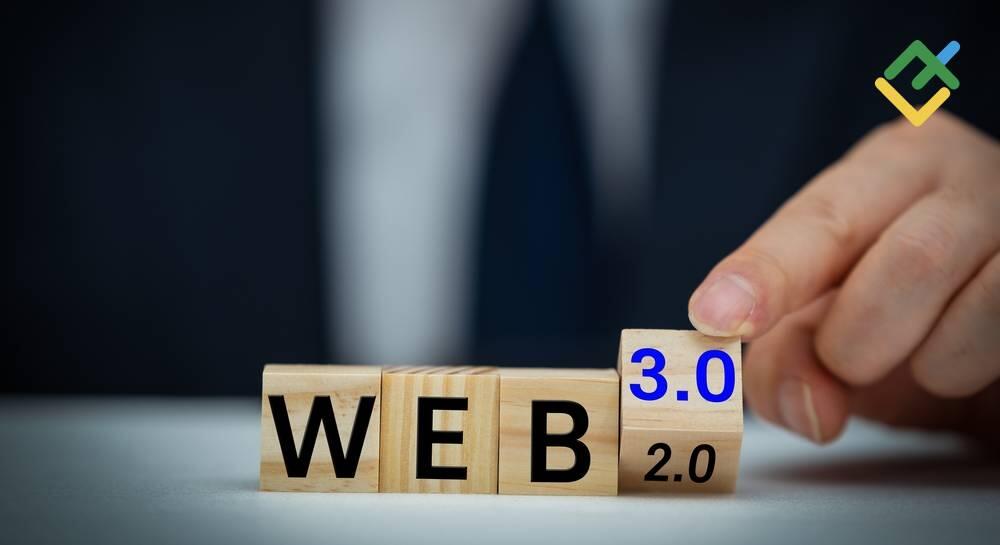
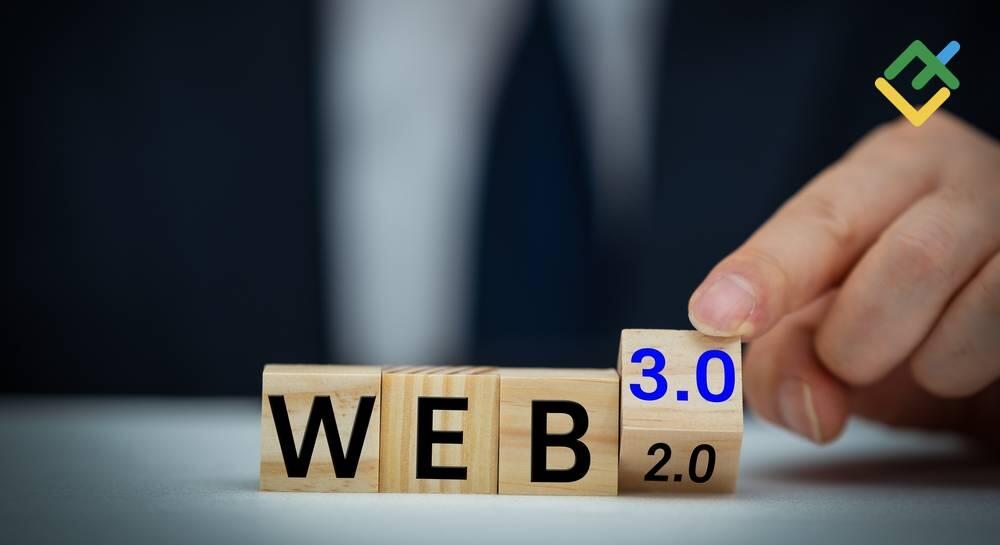

There is plenty of talk about Web3, but the term is often misused. At its core, it is a vision of a decentralized internet that uses blockchain and smart contracts to give users ownership of their data and digital assets.
Decentralization and data ownership are the defining ideas behind Web3. While these concepts may seem complex at first, the basic premise is simple. Web3 envisions a future internet where users control their data, and big tech companies no longer hold a monopoly over it. Read on to see Web 3 explained in plain terms.
The article covers the following subjects:
Major Takeaways
- Web3 and Web 3.0 do not mean exactly the same thing. Web 3.0 has historically referred to the Semantic Web, while Web3 is rooted in blockchain and decentralization. In practice, however, the two terms are now often used interchangeably.
- The Web3 ecosystem includes Layer 0, Layer 1, Layer 2, decentralized applications, and Web3 wallets. Each layer serves a specific purpose.
- Web3 tokens are divided into utility, governance, security, LP tokens, and stablecoins, depending on their function.
- Web 3.0 offers transparency, decentralization, and data ownership. Key aspects to consider include the complexity of the user experience, scalability, and regulatory risks.
- Web3 use cases include DeFi, NFTs, GameFi, metaverses, in-game items, and decentralized social networks.
- Risks include lost keys, scams, smart contract vulnerabilities, and regulatory uncertainty.
- You can invest in Web3 through Web3 projects with transparent tokenomics and real value.
What Is Web3? A Plain Definition
So, what is Web 3? It is a vision of the internet where users own their data and digital assets. It uses blockchain, cryptocurrencies, and smart contracts to create a decentralized structure where control is distributed among participants.
It is important to distinguish between the two terms:
- The original Web 3.0 definition comes from Tim Berners-Lee, who described it as the Semantic Web, built on machine-readable data, ontologies, and AI agents.
- Web3, a term coined by Ethereum co-founder Gavin Wood, refers to a blockchain-based internet with decentralization, tokens, and smart contracts.
The two terms are often used interchangeably, although they refer to distinct concepts. This article focuses on Web3, the blockchain-based vision of the internet.
Web3’s philosophy has its roots in the cypherpunk movement of the 1980s and 1990s. Cypherpunks believed technology should protect individual privacy and freedom rather than strengthen government and corporate control. Blockchain technology put these ideas into practice through a distributed ledger designed to resist tampering and shutdowns. Smart contracts made it programmable, while tokens introduced economic incentives. Together, these tools turned decentralization from a theoretical concept into a working system.
Imagine owning your own corner of the internet instead of renting space on someone else’s platform. Your profile, funds, achievements, and in-game items are recorded on the blockchain, giving you ownership and control over them. No one can delete your account or block your access. This is the vision behind Web3.
A blockchain and peer-to-peer network store data across nodes in multiple locations, so there is no single point of failure. If one node goes offline, the others keep the network running. Web3 builds on this foundation with decentralized applications, smart contracts, and crypto wallets. What is Web3 technology in simple terms? It is the internet where owners have more control over their online activities.
In the Web2 vs. Web3 debate, the main difference is who owns the data. In Web 2.0, users create content, but platforms profit from it. Web3 aims to give users ownership of what they create. This model already has practical applications in DeFi and NFTs, with millions of users. In practice, however, decentralization is often incomplete. The frontends of dApps, RPC providers, and crypto wallets can still rely on centralized services. Users may therefore access the blockchain through interfaces controlled by companies. These dependencies do not erase Web3’s benefits, but they do call for a realistic assessment of how decentralized it actually is.
Web 1.0, Web 2.0 and Web 3.0: What Actually Changed
Web 1.0 (1990–2004) was the era of static webpages and web browsers. Most users read content rather than create it, and websites often looked like digital brochures. Major technology companies were just taking shape, while the World Wide Web consisted of linked documents. Online shopping was available, but it was cumbersome and risky. Companies stored data on their own servers, leaving users with no control over it. Search engines such as Yahoo and early Google helped people find their way through this disorganized landscape, but user-generated content was virtually nonexistent.
Web 2.0 (2004–present) is the era of social media, user-generated content, online shopping, and services through which major tech companies collect user data. Users can write posts, upload videos, and leave reviews. This ability to create content, however, comes with dependence on social media platforms. They decide what appears in users’ news feeds and which commercial offers they see, while algorithms determine what goes viral. Data is the new oil, but users do not share in the profits. Companies earn billions from advertising, leaving individual users feeling exploited. The internet is convenient, but corporations ultimately hold control. Facebook, Google, Amazon, and Apple act as intermediaries, making it hard to imagine life online without them.
What is Web 3.0 technology in this timeline? It is the next stage of the internet, and it is already taking shape. Content creation can be monetized through tokens, and users can access services without intermediaries. In Web3 vs. Web2 terms, the key difference is the ownership model. In Web 2.0, data belongs to platforms, while in Web3, it belongs to users. Decentralization, smart contracts, digital assets, and metaverses are key features of this model.
Here is how this works in practice. In Web 2.0, you upload a video to YouTube and often get none of the ad revenue. In Web3, you post it on a decentralized platform and earn tokens for views. Digital assets and in-game items you buy in Web 2.0 cannot be resold. In Web3, these items come as NFTs, so you can sell them on the open market. Finally, your online identity in Web 2.0 belongs to the platform. In Web3, it belongs to you because you hold the keys that control access to it, for example, in a crypto wallet.
The main advantages of Web3 are greater control, data ownership, and resistance to censorship. Its weaker sides include complex interfaces, the high volatility of digital assets, and the responsibility of keeping your own private keys. Web3 for beginners can feel intimidating at first, but those who understand how it works gain a real competitive edge. The transition between eras is gradual, which is why Web 2.0 and Web3 exist side by side and most users rely on both.
The Web3 Stack: Layers of the Ecosystem
Web3 architecture is a highly layered infrastructure. Web3 examples include Ethereum, Solana, and Polkadot. Web3 projects are built on blockchain networks, the underlying technology of Web3, along with tokens and decentralized applications. A crypto wallet provides access to the entire Web3 ecosystem.
Web3 architecture is easy to picture as a multi-story building, with each part serving a special role:
- Layer 0 is the foundation.
- Layer 1 forms the load-bearing walls.
- Layer 2 adds the finishing touches.
- The application layer is made up of the apartments.
- A crypto wallet is the front door.
Layer 0 and Layer 1: The Base Chains
Layer 0 is the foundation that connects different blockchains. It works like a network of roads between cities, allowing blockchains to interact with one another and exchange data and digital assets. Polkadot and Cosmos are well-known examples of Layer 0.
Layer 1 consists of the core blockchain networks, such as Ethereum, Bitcoin, Solana, and Avalanche. This is where transactions are processed, and smart contracts run. Every Web3 blockchain has to balance decentralization, security, and scalability, a challenge known as the blockchain trilemma. Ethereum was the first platform to support smart contracts and is still the largest Web3 ecosystem.
As the first blockchain, Bitcoin has only limited scripting capabilities and lacks the full-fledged smart contracts that Ethereum offers. Solana processes transactions quickly but gives up some decentralization in return. In this way, every Web3 project occupies its own niche. AI cryptocurrencies stand apart as a separate category that brings together crypto infrastructure and artificial intelligence.
The blockchain trilemma is a practical constraint, since every network has to balance decentralization, security, and scalability. Ethereum, for example, puts decentralization and security first at the expense of speed. Solana focuses on fast transactions and low fees but relies on fewer validators. Bitcoin aims for maximum security and decentralization, which limits its functionality.
Layer 2: Scaling
Layer 2 processes transactions off the main chain, which reduces fees. Optimistic rollups such as Arbitrum, Optimism, and Base post batches of transactions to Layer 1 and rely on fraud proofs if a dispute arises. ZK rollups such as zkSync and Starknet generate validity proofs that confirm each batch is correct. Without Layer 2, decentralized applications would be much slower and more expensive to use.
In the crypto industry, a batch means several transactions bundled together and sent to the network at once. This approach leads to significant savings on fees.
When the Ethereum network is congested, transaction fees can reach tens or even hundreds of dollars. Layer 2 solves this problem. Arbitrum, Optimism, and Base process transactions faster and at a lower cost, then send them in batches to the main chain. Users get speed, Ethereum gets less congestion, and decentralization is preserved. Layer 2 still has its trade-offs, since some networks are more centralized than the main chain and their security depends on the proof mechanism they use.
For traders, Layer 2 is also a source of opportunities, often speculative ones.
The Application Layer: dApps
Decentralized applications (dApps) are services built on smart contracts, such as Uniswap, Aave, and Chainlink. They create value for the Web3 ecosystem and its tokens. Instead of companies, users themselves control their data.
Uniswap lets users swap tokens without intermediaries. Aave allows them to borrow and lend without banks. Chainlink brings real-world data onto the blockchain. Each of these Web3 projects solves a specific problem and creates its own value.
Web3 use cases go well beyond finance. Decentralized social networks like Lens Protocol, search engines like Presearch, and metaverses with virtual worlds and in-game items, such as Decentraland and The Sandbox, are already operating. Many of these services, however, still rely on centralized front ends and RPC providers, so full decentralization remains a goal rather than today’s reality. Users gain more control over their digital assets, while the infrastructure used to access them is often still run by companies.
Access Layer: Wallets and Nodes
A Web3 wallet stores private keys and signs transactions, while nodes keep blockchain networks running. Crypto wallets and web browsers serve as entry points for internet users, and online identity and data ownership are gradually becoming part of everyday life.
A Web3 wallet is your passport to the decentralized internet. It lets you use decentralized applications, interact with smart contracts, and vote in DAOs. If you lose your key, you lose access, and that is the price of greater control.
Nodes contribute computing resources to verify transactions, maintain consensus, and keep blockchain networks decentralized. A P2P network becomes more resilient as the number of nodes grows, and the risk of centralization rises as that number falls. This means that by supporting Web3 projects, running nodes, or choosing a decentralized crypto wallet, you directly shape the Web3 ecosystem.
Web3 Tokens: What a Trader Is Actually Buying
Web3 tokens fall into several categories. Utility tokens give access to protocol features, while governance tokens such as UNI and COMP let holders vote in a DAO. Security tokens represent a stake in an asset, and LP tokens reflect a share in a liquidity pool. Stablecoins are pegged to fiat currencies, and NFTs are unique digital assets. Tokens like UNI, AAVE, ARB, and LINK are considered Web3 cryptocurrencies. One way to invest in Web3 is through projects that generate real revenue. Ethereum, Solana, and Polkadot also fall into the Web 3 crypto category.
Traders need to understand this difference. A meme coin can surge 1,000% in a single day and then drop 95%. A Web3 token backed by real revenue grows more slowly but more steadily. The market is becoming more selective, and users are moving toward tokens with transparent, easy-to-understand tokenomics. Projects with real value perform more consistently than purely speculative assets. That does not guarantee growth, but it makes a crash much less likely.
If you are figuring out how to invest in Web3, start by understanding its architecture and how a crypto wallet works. The next step is analyzing Web3 projects, looking at their revenue, TVL, active users, and unlock schedule. It is also worth checking how many tokens are held by the team and venture capitalists, since decentralization matters as much in tokenomics as it does in blockchain. If the team holds 80% of the tokens, the price may drop when those tokens are unlocked.
Web 3.0 cryptocurrency goes far beyond Ethereum and Solana and includes Layer 2 tokens, oracles, and DeFi protocols. Digital assets are diverse, ranging from stablecoins to NFTs. Web3 technologies make it possible to create tokens with programmable logic, and ownership of data and digital assets is becoming a tangible financial instrument. Keep in mind, however, that tokens are not stocks. They do not give holders legal rights to a company’s assets, and in most jurisdictions, they are not regulated as securities.
What Web3 Means for Traders in Practice
Web3 changes three things for traders, namely what they see, what they trade, and how they store their assets. In traditional markets, capital flows are hidden from view, assets are held by a broker, and an intermediary controls when you enter and exit. In Web3, transactions are visible in real time, assets stay in the user’s own wallet, and traders interact directly with smart contracts. This openness has a price, though. Users need to know how to read the data, take responsibility for their own keys, and keep in mind that contract code may contain bugs.
On-chain data: signal or noise
In Web 2.0, the only way to find out who bought shares is to look at reports. In Web3, transactions are visible on the blockchain. A large holder moving tokens to an exchange can point to a possible sell-off, and a transfer to a cold wallet often indicates accumulation. A single transaction proves nothing, however, since wash trading, spam, and internal exchange transfers distort the picture. Experienced traders therefore look at a combination of metrics, such as net exchange inflows, the number of active addresses, and supply dynamics. Transparency gives an edge only to those who can separate the signal from the noise.
Narratives: fast-moving but not eternal
Web3 narratives rise and fall faster than those in traditional markets. AI, RWA, DePIN, modularity, and restaking all attract capital, yet not all of them are backed by real value. A trader’s job is to figure out which use cases will actually take off instead of chasing every headline. Adding AI to a project does not mean it already has a finished product. Once the hype fades, the projects left standing are the ones with revenue and users. To gauge the overall momentum of altcoins, you can also track the Altcoin Season Index.
Earnings beyond spot trading
Web3 offers more ways to earn than just trading tokens. Airdrops, staking, liquidity provision, and restaking all generate income passively, but each has a cost. Staking locks up assets, liquidity provision exposes you to losses, and airdrops take time with no guaranteed reward. Scams are a constant threat as well. A solid grasp of Web3 architecture helps you find opportunities, yet higher returns still mean higher risk.
Conclusion
Web3 is the internet of the future, where users own their data, digital assets, and content, and there is real substance behind the hype. The Web3 concept turns the World Wide Web of the Web 1.0 and Web 2.0 eras into a decentralized web.
Web3 architecture, from blockchains and Layer 2 to crypto wallets, provides the infrastructure for decentralized applications. Web3 tokens and cryptocurrencies give traders new ways to use Web3, although they require constant market research. Owners and individual users gain more control, while large tech companies lose their monopoly on data.
Put simply, Web3 is a technology that is changing the rules of the online world. It also comes with risks, including lost keys, scams, smart contract vulnerabilities, and regulatory uncertainty in some jurisdictions.
Web3 FAQs
Examples of Web3 include Ethereum, Uniswap, Aave, Chainlink, Arbitrum, Optimism, ENS, and Filecoin. These decentralized applications and blockchain infrastructure projects cover trading, lending, oracles, scaling, and data storage.
The content of this article reflects the author’s opinion and does not necessarily reflect the official position of LiteFinance broker. The material published on this page is provided for informational purposes only and should not be considered as the provision of investment advice for the purposes of Directive 2014/65/EU.
According to copyright law, this article is considered intellectual property, which includes a prohibition on copying and distributing it without consent.