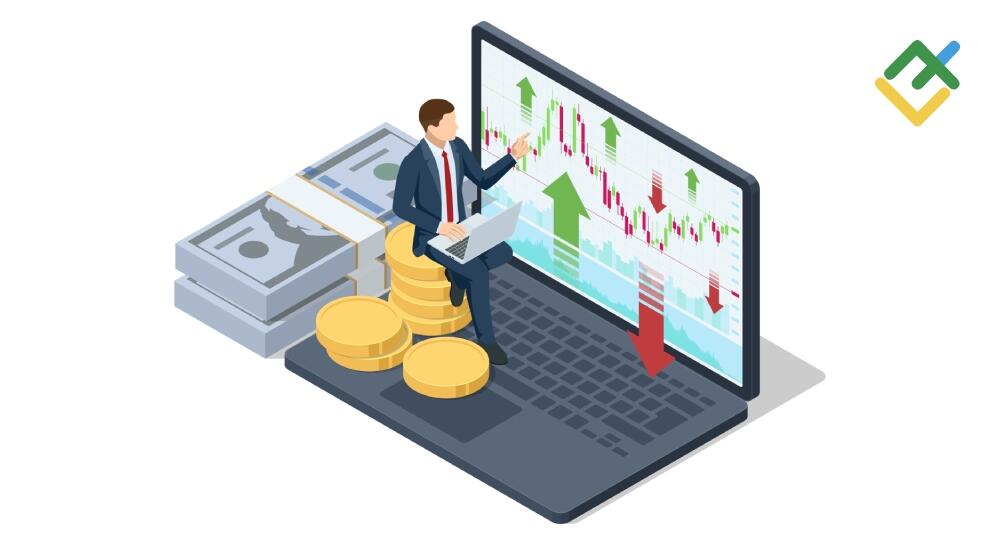
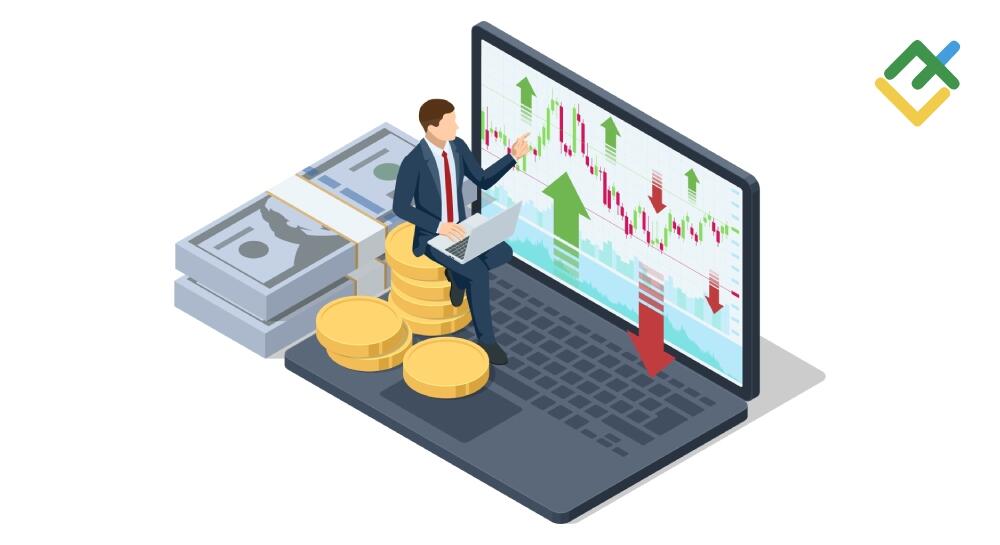

Millions of people now trade online as part of their everyday financial routine. For many beginners, the first challenge is understanding the basic tools. All of these tools come together in a trading platform. It is software that connects traders to the financial markets and gives them access to real-time data, charts, and analysis features.
Partners and financial intermediaries should know how trading platforms work so they can clearly explain their advantages and limitations to clients. This knowledge builds trust and helps clients avoid costly mistakes.
This guide explains how different trading platforms work, covers their key features, and clears up common misconceptions among retail traders. It also shows how online platforms handle market and limit orders, what role the broker plays in executing trades, and why a demo account is the best way to start trading.
The article covers the following subjects:
Major Takeaways
- A trading platform is software used to trade stocks, currency pairs, and other financial instruments. It lets traders track quotes, view charts, and manage their orders. Every order placed on the platform goes to the broker. Depending on the account type and execution model, the broker either fills it directly or passes it on to liquidity providers.
- Online trading platforms work in a straightforward way. A trader opens the terminal, selects an asset, and clicks Buy or Sell. The broker then executes the order directly or sends it to liquidity providers, based on the account type and execution model. Once the trade is filled, the open position appears in the trading account.
- Traders can choose between commercial and proprietary platforms. Commercial ones, such as MetaTrader 5, are off-the-shelf terminals made by independent software companies. Proprietary platforms are built by brokers for their own clients and include features you will not find elsewhere. The LiteFinance platform is a good example.
- To help a client find the right platform, first ask which markets they want to trade, whether it is currency pairs, stocks, or cryptocurrencies. Next, check whether the platform offers the indicators they need, fast order execution, and reasonable fees. Stability, a mobile app, and a reliable support team also matter. Finally, suggest that the client open a demo account to test the interface and see how easy the platform is to use.
- Partners should never make unrealistic promises. Slippage can occur during high volatility, technical failures cannot be ruled out, and trading always carries the risk of loss. No strategy is profitable every time, and claims that a platform is faster than competitors are misleading. Only facts and honesty build client trust.
What Is a Trading Platform?
In simple terms, a trading platform is a program or online trading service that lets a trader interact with the market. It works a lot like a banking app. You see the current price of an asset, press a button, and the trade goes through. The only difference is that instead of account balances and transfers, the screen shows charts and indicators.
A Forex trading platform acts as an intermediary between the trader and the broker. It is not a financial institution and does not hold your money. Its job is simply to pass your orders on to the broker. Inside the platform, you can see your trading account with all open positions, as well as your current balance.
In essence, a trading platform is a trader’s main workspace. It shows price movements, lets you buy and sell assets, place pending buy or sell orders, and analyze various markets. Stock trading platforms and currency platforms may look different, but they all work on the same principle. You follow market data and manage your positions.
How Trading Platforms Work
Using a trading platform seems easy, but a lot happens behind each click. Pressing Buy or Sell sends a request from the platform to the broker. The broker first makes sure there are enough funds in your trading account and then routes the order to the relevant market, such as the stock market or the foreign exchange market.
The next step is order execution. If you place a market order, the trade is executed at the current price as soon as the request is received. If you place a limit order, execution happens only once the price reaches your chosen level. Your trading terminal reflects every transaction instantly, letting you see changes in your open positions, the market price, and your account balance.
The platform also processes broker fees, including the spread, the commission charged on each trade, and the swap for rolling over positions. The platform factors these costs in automatically and displays them in the interface.
A trading platform does not work on its own. It serves as your access point to the financial instruments available through a particular broker. The platform may be a website or a downloadable program, and in both cases, trades are handled by a financial intermediary. As a result, platforms offered by different brokers may vary in terms of the speed and quality of trade execution.
Types of Trading Platforms
The wide range of trading platforms on the market can confuse even experienced investors. Platforms differ in origin, purpose, and the markets they serve. Knowing these categories helps partners choose the right platform for each client. This section covers the main types of platforms, their features, and how they are used by retail traders and investors.
Commercial Trading Platforms
Commercial trading platforms are software products developed by independent companies and sold to brokers. MetaTrader is the most widely known example and has long been the benchmark for online trading. These platforms provide all the essential features, including charts, technical indicators, a news feed, and tools for running trading strategies.
One of the main benefits of commercial trading platforms is their versatility, as they can be used to trade stocks, currencies, and other instruments. On the downside, they are rarely tailored to a specific broker, and new traders often find the interface hard to navigate.
Traders often choose commercial platforms because they are familiar with them and can easily find educational resources. On the other hand, these platforms are not always the fastest at executing orders, and market data is sometimes delayed.
For professional traders, this can be a serious problem, while retail investors and intraday traders accept it. Brokers can build these platforms into their systems, although the software still belongs to an outside developer. Therefore, trading and analytical tools can only be customized to a limited extent.
Proprietary Trading Platforms
Many major brokers develop proprietary trading platforms designed entirely around their specific needs. One example is the LiteFinance web terminal, which combines online trading with useful features that standard platforms do not offer.
Proprietary platforms let brokers fully manage both the user interface and the features. As a result, investment analytics, learning resources, and market analysis can be added directly to the platform. Traders get all the essential tools in a single place, including charts, indicators, financial news feeds, and trading strategies.
Speed is a top priority for LiteFinance. Real-time quotes are especially important for day traders, and the platform delivers them without delay. The platform also offers leverage and gives access to multiple markets within one terminal. This saves traders from switching between platforms.
This is a clear advantage for partners, as they can offer clients a trading platform with minimal broker fees. Account management is handled in the same interface, so deposits, withdrawals, and reports are all available in one window.
Platforms by Market Type
Platforms for trading are classified by market type. Stock trading platforms focus on the stock market. These online investment platforms often include advanced tools for investment research and analysis.
Trading platforms for financial markets cover currencies, CFDs, underlying assets, and various financial instruments. They provide leverage, let users trade across different markets, and connect them with financial institutions. For retail traders, this means access to global markets, from currency pairs to major company stocks.
There are also exchange trading platforms that are linked to particular exchanges. In this case, the terminal gives traders the clearest possible view of market data and displays real-time quotes. While some online platforms cover several markets at once, most brokers provide one platform for stock trading and another for CFDs.
A partner should understand that a trading platform for beginners is typically one that offers a demo account and educational materials, rather than complex trading tools for professional traders.
Key Features to Explain to Your Clients
The key features of a financial trading platform are what make it convenient for traders. The LiteFinance platform is a good example of how each one works. For each feature, you will find a sample phrase you can use when talking to your clients.
1. Real-time quotes
“Real-time quotes are essential for successful trading. If the data is delayed, you risk entering a trade at an outdated price. In day trading, where prices change fast, that can be costly. LiteFinance provides live quotes with no lag.”
2. Charts and technical indicators
“Charts show price movements as candlesticks or lines, and technical indicators make market data easier to read. You do not need to master them right away. The main thing is that charts and indicators together give you a full picture of the market.”
3. Analytical tools, market analysis, investment analysis, news feed
“Analytical tools include market analysis, investment analysis, and a news feed. The news feed highlights upcoming events that may affect the market price. You can see how financial news impacts price movements and adjust your trading strategies accordingly.”
4. Trading account and account management
“You deposit money into your trading account and withdraw it from there too. The account dashboard shows detailed reports on your trades and the fees you have paid. You can check your open positions and real-time market data at any time.”
5. Demo account and demo mode
“A demo account allows you to trade with virtual funds, enabling you to start trading without risk. It also records your trading history and pending orders. Demo mode lets you quickly try out the platform without registering. A good platform for beginners always includes demo mode so you can place trades and learn how to trade in different markets.”
6. Security measures
“We use two-factor authentication and data encryption. Segregated accounts ensure that your funds are kept separate from the broker’s funds. Regulation ensures compliance with financial institutions’ requirements.”
7. Mobile app
“Our mobile app has a user-friendly interface and allows you to trade from anywhere in the world. The interface is simple and intuitive, making online trading accessible to everyone.”
8. Trading costs
“The spread is the difference between the buy and sell prices. The commission is the fee you pay the broker for each trade. The swap is the fee charged for keeping a position open overnight. With a proprietary trading platform, the broker does not pay licensing fees, so commissions can be lower.”
How to Help a Client Choose the Right Trading Platform
To help your client choose the right platform, start by understanding their needs.
- First, ask whether the client wants to invest or trade actively. Day traders need a platform with real-time quotes and fast order execution, while long-term investors care more about research tools and investment analysis.
- Find out which trading instruments the client plans to use. If they want to trade stocks, a stock trading platform will be a good fit. If they are interested in CFDs on cryptocurrencies or currency pairs, they will need a platform that supports leverage.
- Suggest starting with a demo account so the client can evaluate the user interface and its useful features. A beginner platform should include educational materials.
Explain that a demo account cannot fully prepare the client for live trading. Then confirm that the platform supports the markets they need.
What Partners Should Never Promise
Partners should never make promises that could mislead a client.
- Never guarantee a profit. The market is unpredictable, and prices depend on many factors.
- Do not promise that the platform will make the client successful. It is only a tool and cannot guarantee profitable trades.
- Do not claim that the platform will protect the client from losses. Leverage can increase losses as well as profits.
- Do not promise that there will be no commissions or swaps. These costs are part of trading.
- Do not tell the client that live trading feels the same as demo trading. With real money on the line, the emotional pressure is much higher.
- Do not claim that the platform offers every market. Always check which instruments are actually available.
- Do not claim that an Individual Investment Account (IIS) is available on any platform. This depends on local regulations.
- Do not promise that technical analysis always works. It helps assess the odds, but it cannot predict the market with certainty.
Conclusion
A trading platform is the foundation of online trading. Understanding how it works and its key features enables a partner to effectively assist clients. However, a platform is not a magic solution. Success still depends on the trader’s knowledge and discipline.
A partner should be honest with clients about broker fees and the risks of trading financial instruments. A demo account and educational materials are the best way to learn trading without risking real money. Try it yourself on the LiteFinance platform.
Get access to a demo account on an easy-to-use Forex platform without registration
The content of this article reflects the author’s opinion and does not necessarily reflect the official position of LiteFinance broker. The material published on this page is provided for informational purposes only and should not be considered as the provision of investment advice for the purposes of Directive 2014/65/EU.
According to copyright law, this article is considered intellectual property, which includes a prohibition on copying and distributing it without consent.