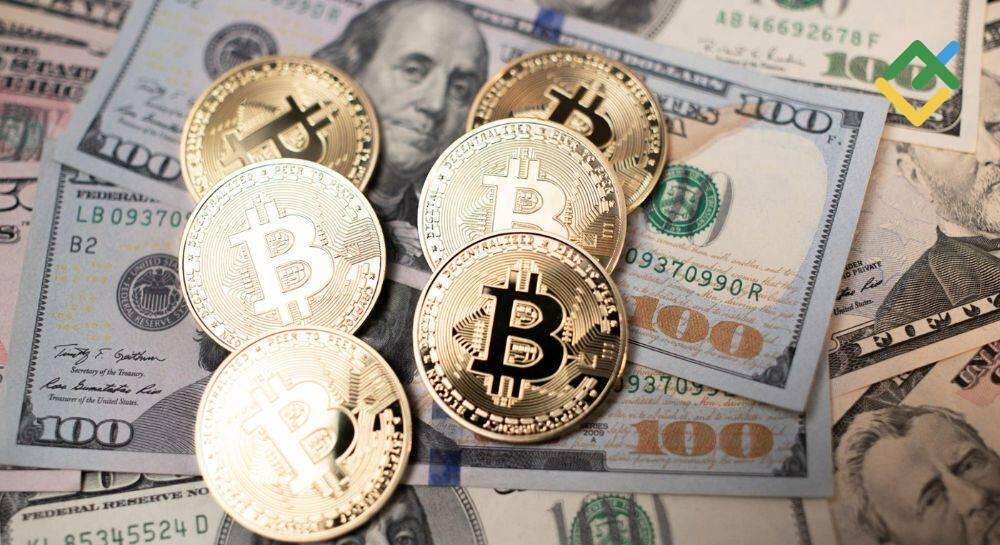
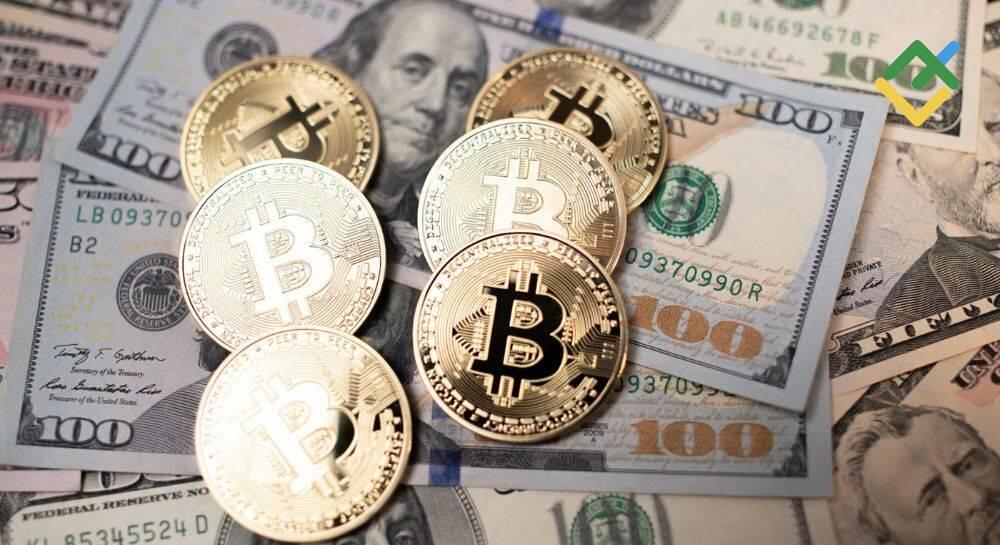

The wealthiest cryptocurrency billionaires have emerged as a new financial elite of the digital age. Just fifteen years ago, Bitcoin was worth only a few dollars. Today, some of its earliest adopters have amassed fortunes worth millions or even billions.
The cryptocurrency industry has created unprecedented opportunities to accumulate wealth. Crypto exchange founders, blockchain developers, early investors, and venture capital firms have all benefited from the rapid expansion of the digital asset market.
How many crypto millionaires are there worldwide? The number has already reached the hundreds of thousands. Bitcoin millionaires are no longer uncommon, while the ranks of cryptocurrency billionaires include several dozen individuals. However, behind every major crypto fortune lie not only successful Bitcoin investment vehicles, but also substantial financial risks.
In this article, we present a list of the world’s wealthiest crypto billionaires, including prominent figures featured in the Forbes rankings. You’ll discover who made the most money in cryptocurrency, how the industry’s biggest players built their fortunes, and which investment decisions and business strategies helped them achieve extraordinary financial success.
The article covers the following subjects:
Major Takeaways
-
Changpeng Zhao, founder of Binance, the world’s largest cryptocurrency exchange, is the wealthiest figure in the crypto industry, with an estimated fortune of tens of billions of dollars.
-
According to Forbes estimates, the global cryptocurrency industry has produced dozens of billionaires and hundreds of thousands of millionaires.
-
Some of the largest crypto fortunes have been built through the creation and expansion of centralized exchanges, including Binance, Coinbase, and Gemini.
-
Michael Saylor, co-founder of Strategy, is widely recognized as one of Bitcoin’s most prominent advocates. His company holds hundreds of thousands of bitcoins.
-
Early Bitcoin investors who purchased the cryptocurrency for just a few cents have seen their initial investments multiply thousands of times.
-
Cryptocurrency wealth comes with considerable volatility. The value of digital asset holdings can fluctuate by tens of percent over relatively short periods
How Many Crypto Billionaires Are There?
According to Forbes, dozens of cryptocurrency billionaires exist worldwide. However, the exact number remains unknown because their net worth fluctuates constantly with the high volatility of crypto assets.
Forbes publishes an annual ranking of blockchain billionaires, but not every major cryptocurrency fortune is represented. These fortunes may consist of coins and tokens, ownership stakes in crypto exchanges, company shares, and venture capital investments. Some holdings, however, remain concealed in anonymous cryptocurrency wallets.
Many billionaires do not disclose their portfolios, and identifying the owners of certain digital assets is virtually impossible. Consequently, Forbes’ estimates only scratch the surface of how wealth is distributed across the cryptocurrency industry.
According to Henley & Partners, the number of cryptocurrency millionaires worldwide has already exceeded 200,000. The sharp appreciation of Bitcoin and other digital assets in recent years has been a major factor behind this growth.
Cryptocurrencies have allowed many investors to accumulate substantial wealth in a relatively short period. Those who bought Bitcoin when it was worth just a few dollars saw their investments multiply many times over. Some early hodlers who purchased the cryptocurrency for mere cents eventually amassed billion-dollar fortunes.
The cryptocurrency industry is still relatively young. Most of its largest fortunes have been created over the past decade, unlike traditional financial dynasties, which have often accumulated wealth over several generations.
The total market capitalization of cryptocurrencies is measured in trillions of dollars, putting the industry on a scale comparable to that of major national stock markets. What once was a niche market dominated by enthusiasts has evolved into a global financial sector. Institutional investors, banks, and governments are adopting digital assets, while regulatory oversight continues to expand.
For the blockchain space, this transformation brings both new opportunities and additional challenges. Growing acceptance among financial institutions supports wider digital currency adoption, while rising market capitalization and trading volumes attract greater regulatory scrutiny.
Crypto Billionaires List: Top 10 Richest in 2026
Founders of centralized cryptocurrency exchanges (CEXs) dominate the ranks of the world’s wealthiest crypto entrepreneurs. They built platforms that bridged traditional finance and the digital asset market, playing a pivotal role in the blockchain industry’s development. However, the rapid expansion of their businesses has attracted increasing regulatory scrutiny and brought them under tighter government oversight.
1. Changpeng Zhao (Binance)
Changpeng Zhao, widely known as CZ, founded Binance, the world’s largest cryptocurrency exchange by crypto trading volume. He also ranks among the wealthiest figures in the crypto industry.
Born in China and raised in Canada, Zhao trained as a computer programmer and gained experience developing trading systems before launching Binance in 2017. He has since become one of the most prominent entrepreneurs of Asian descent in the cryptocurrency industry.
Combining his computer science expertise with a background in financial software development, Zhao transformed a blockchain startup into a global cryptocurrency trading platform. In less than a year, Binance had climbed to the top of the industry by trading volume, fueled by growing interest in cryptocurrencies and the rapid expansion of the digital asset market. Today, Binance remains the world’s largest crypto exchange, and Zhao is its largest shareholder.
According to Forbes, Changpeng Zhao’s net worth is estimated at tens of billions of dollars. His fortune is derived primarily from his stake in Binance and his holdings in other digital assets.
CZ’s career has been marked by remarkable success as well as serious legal challenges. In 2023, he pleaded guilty to federal money laundering charges related to violations of US anti-money laundering laws and stepped down as Binance CEO. In 2024, he served a four-month prison sentence in the US. Despite leaving the company’s leadership, Zhao retained his ownership stake in Binance.
Today, Changpeng Zhao remains one of the wealthiest figures in the cryptocurrency industry. He is widely regarded as the richest individual to have built the bulk of his fortune through the cryptocurrency business.
2. Brian Armstrong (Coinbase)
Brian Armstrong is the co-founder and CEO of Coinbase, the largest cryptocurrency exchange in the United States. His net worth is closely tied to the company’s market capitalization because its shares are publicly traded.
Before launching Coinbase, Armstrong worked as a senior software developer at Airbnb. In 2012, Armstrong co-founded Coinbase to make Bitcoin accessible to a broader audience and simplify transactions involving digital assets.
Coinbase went on to become the first major US cryptocurrency exchange to go public on the Nasdaq stock exchange. Its direct listing in 2021 valued the company at tens of billions of dollars. However, its history has not been without controversy. One notable case involved insider trading in the cryptocurrency market, in which confidential information about upcoming token listings on Coinbase was used to trade ahead of public announcements. The case became one of the first US criminal prosecutions involving insider trading charges in digital assets.
Armstrong serves as Coinbase’s CEO and sits on its board of directors, but he is not executive chairman. A substantial portion of his wealth is tied to his Coinbase shares, meaning that an increase in the company’s market capitalization directly boosts his personal fortune.
Beyond Coinbase, Armstrong is involved in technology investments and philanthropy. He has joined the Giving Pledge, committing to donate the majority of his wealth to charitable causes. He believes that cryptocurrencies have the potential to transform the global financial system.
Armstrong’s net worth fluctuates considerably with Coinbase’s share price. During crypto market rallies, his fortune tends to grow, while prolonged downturns can significantly erode it.
3. Chris Larsen (Ripple)
Chris Larsen is the co-founder of Ripple Labs and one of the largest individual holders of XRP. He accumulated a substantial portion of his wealth through the development of the blockchain project.
Before launching Ripple, Larsen founded several fintech companies, including E-Loan and Prosper Marketplace. His financial-sector experience helped him establish Ripple and expand its business internationally.
Ripple develops technology solutions designed to facilitate fast cross-border payments. XRP serves as an intermediary asset in some of the company’s payment solutions, enabling financial institutions to settle international transactions.
Larsen served as Ripple CEO until 2016. After stepping down, he retained a substantial stake in the company and a large holding of XRP, while continuing to serve as chairman of its board of directors.
His net worth has been heavily influenced by Ripple’s legal battle with the US Securities and Exchange Commission (SEC). The dispute over XRP’s regulatory status created considerable uncertainty among investors for several years. Subsequent court rulings in Ripple’s favor helped strengthen the company’s position, while XRP maintained its place among the world’s largest cryptocurrencies by market capitalization.
Today, Larsen ranks among the wealthiest crypto billionaires. His career shows how experience and entrepreneurial success in traditional finance can lay the groundwork for building a substantial fortune in the digital asset industry.
4. Giancarlo Devasini (Tether)
Giancarlo Devasini is one of the leading figures behind Tether, the issuer of USDT, the world’s largest stablecoin. Pegged to the US dollar, USDT is widely used for cryptocurrency trading, cross-border payments, and storing funds within the digital asset ecosystem.
Devasini began his career in the cryptocurrency industry at Bitfinex, an exchange closely linked to Tether. His later involvement with Tether let him focus on building and expanding stablecoin infrastructure, making him one of the most influential blockchain entrepreneurs in the crypto industry.
Tether generates most of its revenue by investing the reserves backing USDT in circulation. A substantial portion of these reserves is held in short-term US government securities. Growing cryptocurrency trading volumes and demand for cross-border settlements support USDT use. As tokens in circulation increase, Tether’s reserve base expands, potentially generating additional investment income.
Devasini’s net worth is estimated at tens of billions of dollars. The entrepreneur rarely makes public appearances, and the bulk of his fortune is tied to his stake in Tether. Unlike investors who built their wealth on the appreciation of individual cryptocurrencies, Devasini focused on the digital asset market’s infrastructure. Through Tether’s expansion, stablecoins have become an essential part of the crypto ecosystem and a primary instrument for trading digital assets.
5. Paolo Ardoino (Tether)
Paolo Ardoino is the CEO of Tether, the issuer of USDT, the world’s largest stablecoin by market capitalization, which is pegged to the US dollar.
A software engineer by training, Ardoino has extensive experience in financial software development. Before becoming Tether’s CEO, he served as CTO of Bitfinex and subsequently took on leadership responsibilities at both companies.
Under Ardoino’s leadership, Tether has diversified its business beyond the stablecoin market. The company has expanded its investments into Bitcoin, cryptocurrency mining, artificial intelligence, telecommunications, and gold. A substantial portion of its reserves is also invested in US government securities.
Tether is among the largest corporate holders of Bitcoin, owning tens of thousands of BTC. The company views the cryptocurrency as a way to diversify its reserves and investment portfolio.
Ardoino remains Tether’s leading public representative. He regularly speaks at industry events, shares his views on market developments, and discusses the company’s strategy. His personal net worth is estimated at billions of dollars, largely thanks to his stake in the business. His career shows how technical expertise and a role in building the digital asset industry’s infrastructure can translate into substantial wealth.
6. Justin Sun (TRON)
Justin Sun is the founder of the TRON blockchain platform. He built his fortune through cryptocurrency projects, strategic investments, and major acquisitions. His business activities have attracted both praise and criticism within the crypto community.
Sun studied at Peking University and the University of Pennsylvania, developing an early interest in digital assets. In 2017, he launched TRON, a blockchain platform designed to support decentralized applications. The project has since grown into one of the largest blockchain networks, gaining widespread adoption for international stablecoin transfers. Its native cryptocurrency, TRX (Tronix), ranks among the leading digital assets by market cap.
Sun is known for his high-profile purchases and ambitious marketing campaigns. In 2019, he paid $4.57 million for a charity lunch with Warren Buffett and later acquired several expensive digital artworks. German composer Hans Zimmer, known for the soundtracks to Gladiator, Inception, and The Dark Knight, also composed a musical theme for the TRON ecosystem.
Justin Sun’s fortune consists of cryptocurrency holdings, stakes in various companies, and valuable collectibles. His net worth is estimated at billions of dollars, though its precise total value is difficult to determine because of the volatility of digital assets and limited transparency around some of his holdings.
Sun remains one of the most controversial figures in the cryptocurrency industry. His aggressive promotion of TRON has brought the project widespread recognition, while expanding its payment infrastructure has strengthened the ecosystem’s position in the digital asset market. Nevertheless, TRX’s value depends not only on demand within the TRON ecosystem but also on broader trends across the cryptocurrency market.
7. Michael Saylor (Strategy)
Michael Saylor is the co-founder of Strategy, a company that has accumulated hundreds of thousands of bitcoins. Before embracing digital assets, Saylor built MicroStrategy, a software company specializing in business intelligence and analytics. However, his name has since become synonymous with Bitcoin.
MicroStrategy, renamed Strategy in 2025, began accumulating Bitcoin in 2020. Since then, it has become the largest publicly traded corporate holder of BTC. Saylor is a vocal advocate of Bitcoin as a long-term store of value and regularly predicts substantial price appreciation. The bulk of his personal fortune is tied to Strategy shares and his own Bitcoin holdings.
Michael Saylor has demonstrated how a corporate strategy centered on Bitcoin accumulation can drive a company’s market capitalization higher during crypto bull markets. His approach has inspired other publicly traded companies to adopt similar strategies. However, the model carries considerable risks. A decline in Bitcoin prices, a growing debt burden, and the need to raise additional capital could put significant pressure on Strategy’s financial stability.
8. Cameron and Tyler Winklevoss (Gemini)
Cameron and Tyler Winklevoss are American entrepreneurs who became among the first Bitcoin billionaires.
The brothers first gained widespread recognition through their legal dispute with Mark Zuckerberg over the creation of the social network Facebook. Following a settlement, they used part of the proceeds to invest in Bitcoin. In 2013, the Winklevoss twins acquired a substantial amount of BTC, making them some of the cryptocurrency’s earliest major investors. They later founded cryptocurrency exchange Gemini, which secured regulatory licenses to operate in several US jurisdictions.
The brothers’ wealth comes primarily from their Bitcoin holdings and their stakes in Gemini. Their combined net worth is estimated at billions of dollars, although its precise value fluctuates with market conditions. Their story illustrates how early exposure to Bitcoin allowed technology entrepreneurs to build substantial fortunes as the cryptocurrency market expanded.
9. Jed McCaleb (Ripple, Stellar)
Jed McCaleb co-founded Ripple and founded Stellar, two prominent blockchain projects that helped him amass a multibillion-dollar fortune.
McCaleb has been involved in the cryptocurrency industry since its earliest days. In 2010, he launched Mt. Gox, one of the first major Bitcoin exchanges, which became the leading BTC trading platform in the crypto world. In 2011, he sold the exchange to Mark Karpelès.
McCaleb later helped establish Ripple Labs but eventually left the project following disagreements with the team. In 2014, he founded Stellar, a blockchain platform designed to facilitate cross-border payments. A substantial portion of his wealth came from his XRP holdings, which he gradually sold to diversify his investments. The growth of Stellar and its native cryptocurrency, XLM, further cemented his position in the digital asset industry.
McCaleb subsequently invested part of his fortune in the space exploration company Vast, which he founded in 2021. The company focuses on developing commercial space stations in low Earth orbit. His career illustrates how a programmer and technology entrepreneur can build multiple successful ventures and channel the proceeds into other high-tech industries.
10. Fred Ehrsam (Coinbase, Paradigm)
Fred Ehrsam is the co-founder of Coinbase and a venture capitalist who built a multibillion-dollar fortune through the growth of the cryptocurrency exchange and investments in blockchain projects.
Before launching Coinbase, Ehrsam worked as a trader at Goldman Sachs. In 2012, he met Brian Armstrong, and together they founded what would become one of the largest cryptocurrency exchanges in the US.
After stepping away from his executive role at Coinbase in 2018, Ehrsam co-founded Paradigm, a venture capital firm specializing in cryptocurrency startups and blockchain technologies. Over time, Paradigm has become one of the most influential investment firms in the digital asset industry.
The firm has invested in dozens of projects, ranging from decentralized finance protocols to blockchain infrastructure solutions. Some of these early investments have generated substantial returns, while others have resulted in losses.
Ehrsam has successfully combined blockchain entrepreneurship with venture capital investing. His fortune is derived primarily from his Coinbase holdings, his stake in Paradigm, and other personal investments. This strategy has allowed him to diversify his wealth while maintaining a prominent position in the cryptocurrency industry.
|
Rank |
Name |
Company |
Source of Wealth |
|
1 |
Changpeng Zhao |
Binance |
Exchange founder |
|
2 |
Brian Armstrong |
Coinbase |
Exchange co-founder |
|
3 |
Chris Larsen |
Ripple |
Co-founder, XRP |
|
4 |
Giancarlo Devasini |
Tether |
Stablecoins |
|
5 |
Paolo Ardoino |
Tether |
Stablecoins |
|
6 |
Justin Sun |
TRON |
Blockchain founder |
|
7 |
Michael Saylor |
Strategy |
Bitcoin accumulation |
|
8 |
Winklevoss brothers |
Gemini |
Early investors |
|
9 |
Jed McCaleb |
Stellar |
Founder, XRP/XLM |
|
10 |
Fred Ehrsam |
Paradigm |
Venture capital |
Early Bitcoin Investors and Crypto Venture Capitalists
Early Bitcoin investors occupy a special place among crypto billionaires. They recognized the digital asset’s potential long before it gained mainstream acceptance and multiplied their initial investments many times over.
Tim Draper is a prominent venture capitalist who, in 2014, purchased approximately 30,000 bitcoins at an auction of assets confiscated from the Silk Road dark web marketplace. The average purchase price was about $632 per BTC. In the years that followed, Bitcoin’s value increased many times over, generating substantial returns on his investment.
The Winklevoss brothers also entered the Bitcoin market early, beginning their purchases in 2013. Their early investments helped make them some of the first crypto billionaires.
Draper also founded Draper Associates, a venture capital firm that invests in technology companies, including cryptocurrency startups. He has repeatedly predicted that Bitcoin would reach $250,000, although his original timelines for achieving this target proved overly optimistic.
Crypto billionaires come from a variety of professional backgrounds. Some started out as programmers and engineers, while others built careers in traditional finance and venture capital.
What they have in common is the ability to recognize the potential of emerging technologies early on. Early Bitcoin investments laid the foundation for many substantial crypto fortunes. However, the market’s extreme volatility has always brought considerable risk, and holding digital assets long-term has never guaranteed a profit.
How Crypto Billionaires Made Their Fortunes
The largest crypto fortunes have been built through four main strategies, which often complement one another.
-
Founding a cryptocurrency exchange. Binance, Coinbase, and Gemini provide platforms to buy, sell, and trade Bitcoin and other digital assets. Transaction fees are their primary revenue source. Given their enormous trading volumes, these fees can generate substantial income.
-
Buying Bitcoin early and hodling it. The Winklevoss brothers and Tim Draper acquired BTC long before it gained widespread adoption. Bitcoin’s subsequent appreciation allowed them to multiply their initial investments many times over.
-
Building a blockchain project. The founders of Ripple, Stellar, and TRON accumulated substantial wealth by developing their own blockchain ecosystems. Appreciation in their native tokens and growth in the value of their company stakes contributed significantly to their fortunes.
-
Venture capital investments. Firms such as Paradigm and Tally Capital fund promising tech startups. Successful investments can generate multiples of the initial capital, potentially offsetting losses from unsuccessful ventures.
All four strategies carry substantial risks and require a long-term commitment to blockchain technology. The cryptocurrency market offers opportunities to build wealth rapidly, but it also carries the potential for significant losses. Early investors’ success does not guarantee similar returns in the future. Every market cycle brings new opportunities, but not every participant capitalizes on them.
Want to gain a better understanding of the cryptocurrency market? Open a demo account with LiteFinance and explore the fundamentals of digital asset trading without risking your money. Once you have mastered the basic tools and strategies, you can consider switching to a live account, keeping trading fees and the possibility of losses in mind. Who knows? One day, your name might appear on the list of the world’s richest crypto traders.
Conclusion
The world’s wealthiest crypto billionaires demonstrate how cryptocurrencies can generate multibillion-dollar fortunes for investors and entrepreneurs in a relatively short period.
Changpeng Zhao, Brian Armstrong, and Michael Saylor have built substantial fortunes through cryptocurrency businesses and Bitcoin investments. Exchange founders, blockchain developers, and early crypto investors dominate the ranks of the industry’s wealthiest individuals. The number of crypto millionaires has already reached the hundreds of thousands, while the industry continues to attract new participants and institutional capital.
However, crypto fortunes can fluctuate dramatically. Even the wealthiest investors risk losing a substantial portion of their capital during market downturns. Individual cryptocurrencies can surge by tens of percent in a single day, only to surrender most of those gains shortly afterward. High volatility creates opportunities for both algorithmic and discretionary trading, but it also makes disciplined risk management essential. The cryptocurrency market operates around the clock, seven days a week, but the potential for significant returns always comes with the risk of substantial losses.
Richest Crypto Billionaires FAQs
The content of this article reflects the author’s opinion and does not necessarily reflect the official position of LiteFinance broker. The material published on this page is provided for informational purposes only and should not be considered as the provision of investment advice for the purposes of Directive 2014/65/EU.
According to copyright law, this article is considered intellectual property, which includes a prohibition on copying and distributing it without consent.