
Key takeaways
- China injects fresh momentum into global markets: Beijing’s capital-market support is reviving technology shares and improving the outlook for commodity-linked currencies.
- The dollar faces competing forces: Recovering Treasury yields provide interest-rate support, while improving risk appetite reduces defensive demand.
- Gold and oil extend their recoveries: Easing liquidation pressure supports precious metals, while physical supply disruptions threaten further energy-driven disinflation.
China changes the market equation
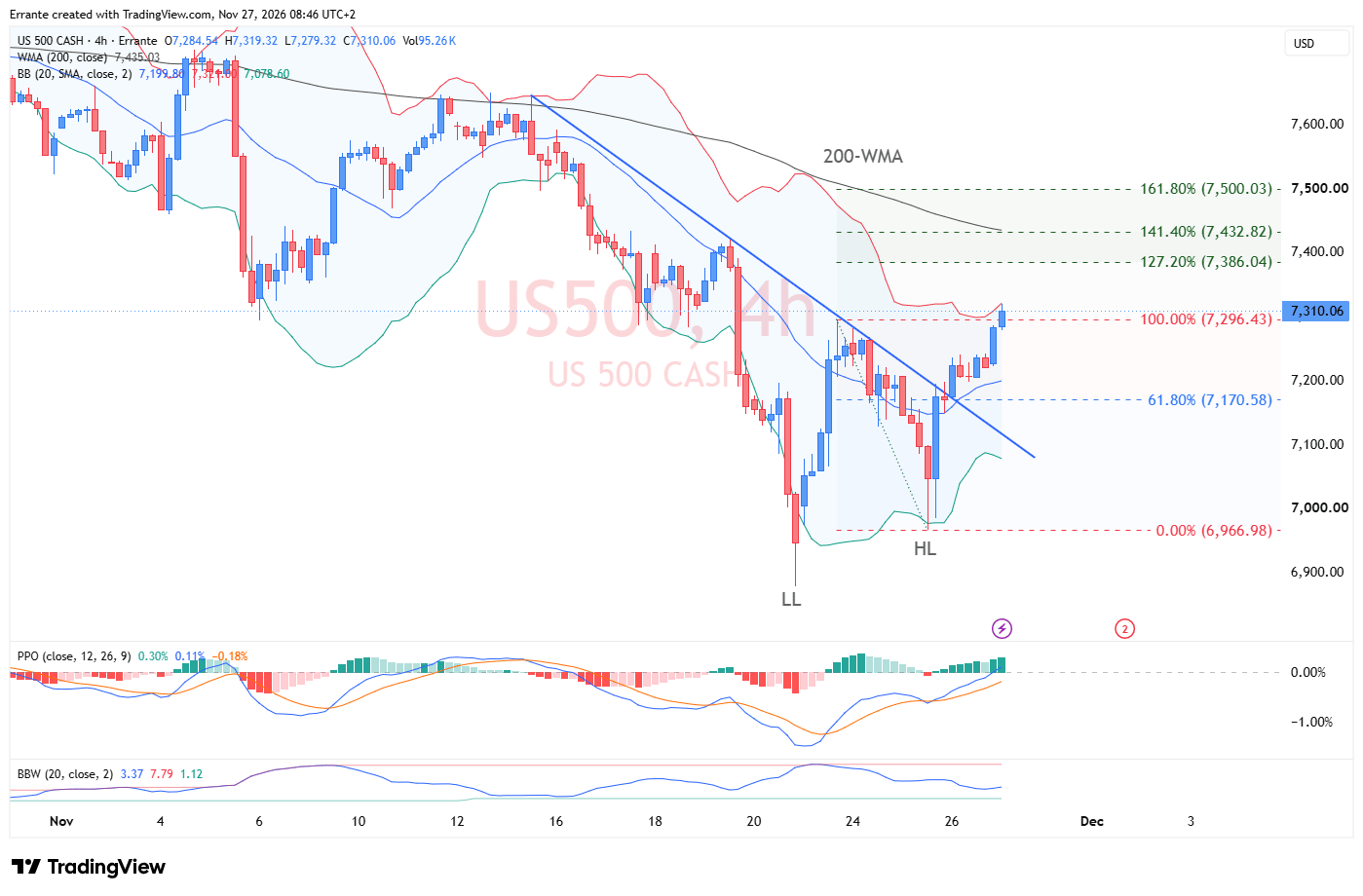
Global equities have found a new source of support independent of Federal Reserve policy. Beijing’s commitment to expanding Central Huijin’s market-stabilisation role and encouraging long-term investment has triggered a powerful recovery across Asian markets. Chinese blue chips gained 3.8%, semiconductor indices surged more than 16%, and South Korean equities advanced 4%. By absorbing selling pressure without requiring an immediate improvement in corporate earnings, government-backed intervention could encourage investors to rebuild exposure to risk-sensitive currencies, particularly the Australian dollar, New Zealand dollar and offshore yuan.
The improvement in sentiment is also visible on Wall Street, where the US500 has established a higher low at 6,967 and broken above resistance at 7,296. Sustained buying above this level would favour an extension towards 7,386 and subsequently 7,432–7,435. However, unresolved AI financing risks and Washington’s renewed tariff proposals continue to cloud corporate earnings prospects, making it premature to interpret the policy-supported rebound as a fundamental market reversal.
The Dollar’s interest-rate advantage faces competition
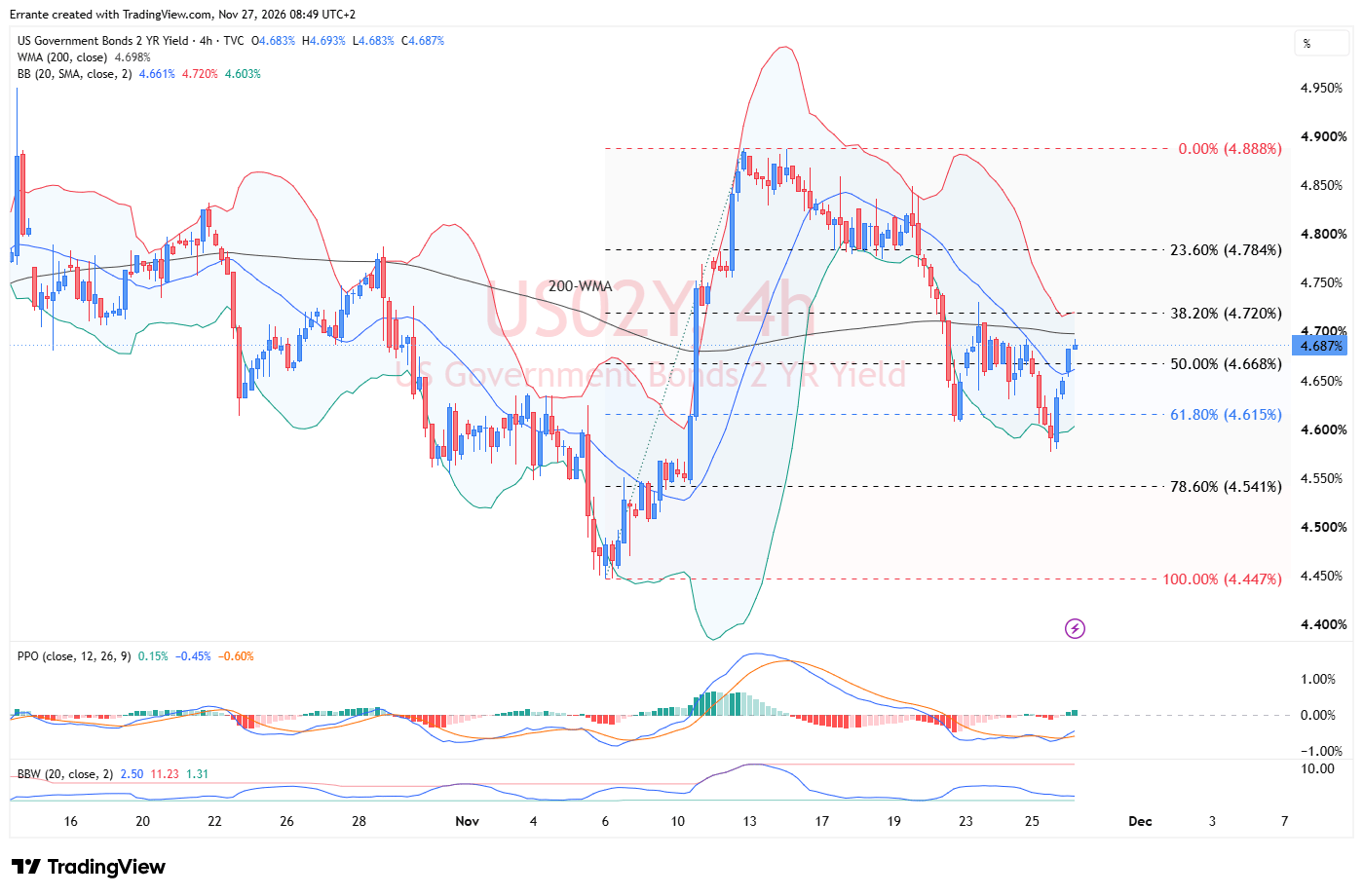
Improving global risk appetite is creating a dilemma for the dollar. While reduced defensive demand is weighing on the currency, the unwinding of safe-haven Treasury positions is pushing yields higher. The US two-year yield has recovered to 4.687%, approaching a resistance cluster at 4.698–4.720%. A breakout towards 4.784% could restore dollar momentum, although with December Fed tightening almost fully priced, a sustained advance may require expectations of additional rate increases in 2027.
Monetary-policy developments elsewhere are further complicating the dollar’s outlook. Tokyo core inflation accelerated from 2.6% to 2.9%, strengthening the case for further Bank of Japan tightening and potentially limiting USD/JPY upside. In Europe, the nomination of Pablo Hernández de Cos as the next ECB president introduces another dimension to longer-term policy expectations, although its immediate implications for interest rates remain limited.
These competing forces are reflected in DXY’s consolidation around 103.720. A sustained break below this support would expose 103.515 and 103.219, while renewed buying above 103.874 would favour a recovery towards 104.233.
Why Gold and equities are rising together
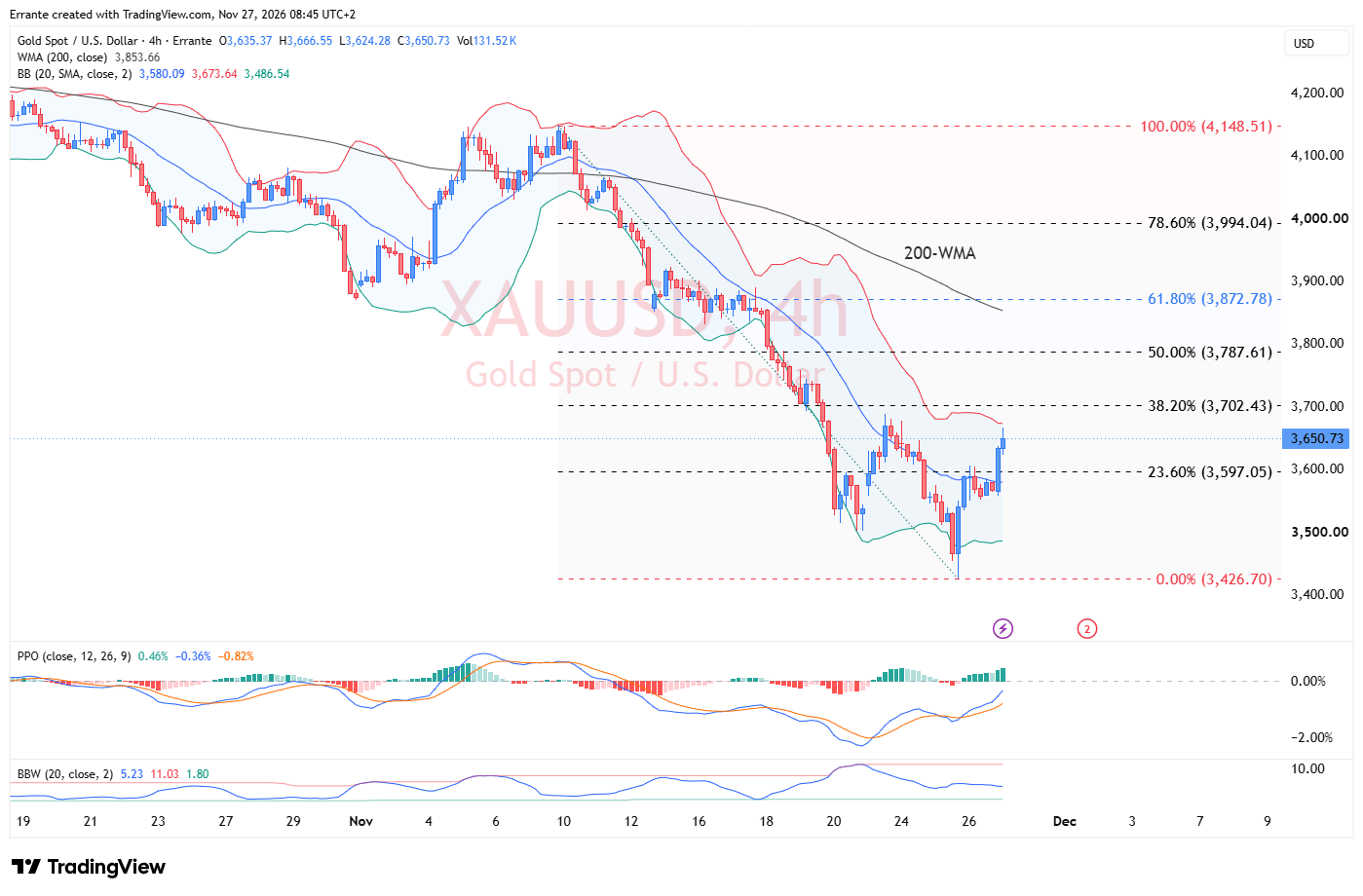
The simultaneous recovery in gold, equities and nominal Treasury yields suggests that easing liquidation pressure is currently outweighing conventional interest-rate effects. As financial-market stress subsides, investors may be rebuilding precious-metal positions previously sold to raise liquidity. China’s October net gold imports through Hong Kong, which reached their highest level since April, provide additional evidence of physical demand, while silver’s approximately 6% rebound points to a broader recovery across precious metals.
Gold’s advance above $3,597 reflects improving short-term momentum and favours further gains towards $3,674–$3,702. Nevertheless, simultaneous dollar appreciation and rising real yields could quickly undermine the recovery by increasing the opportunity cost of holding bullion.
Oil introduces a new inflation risk
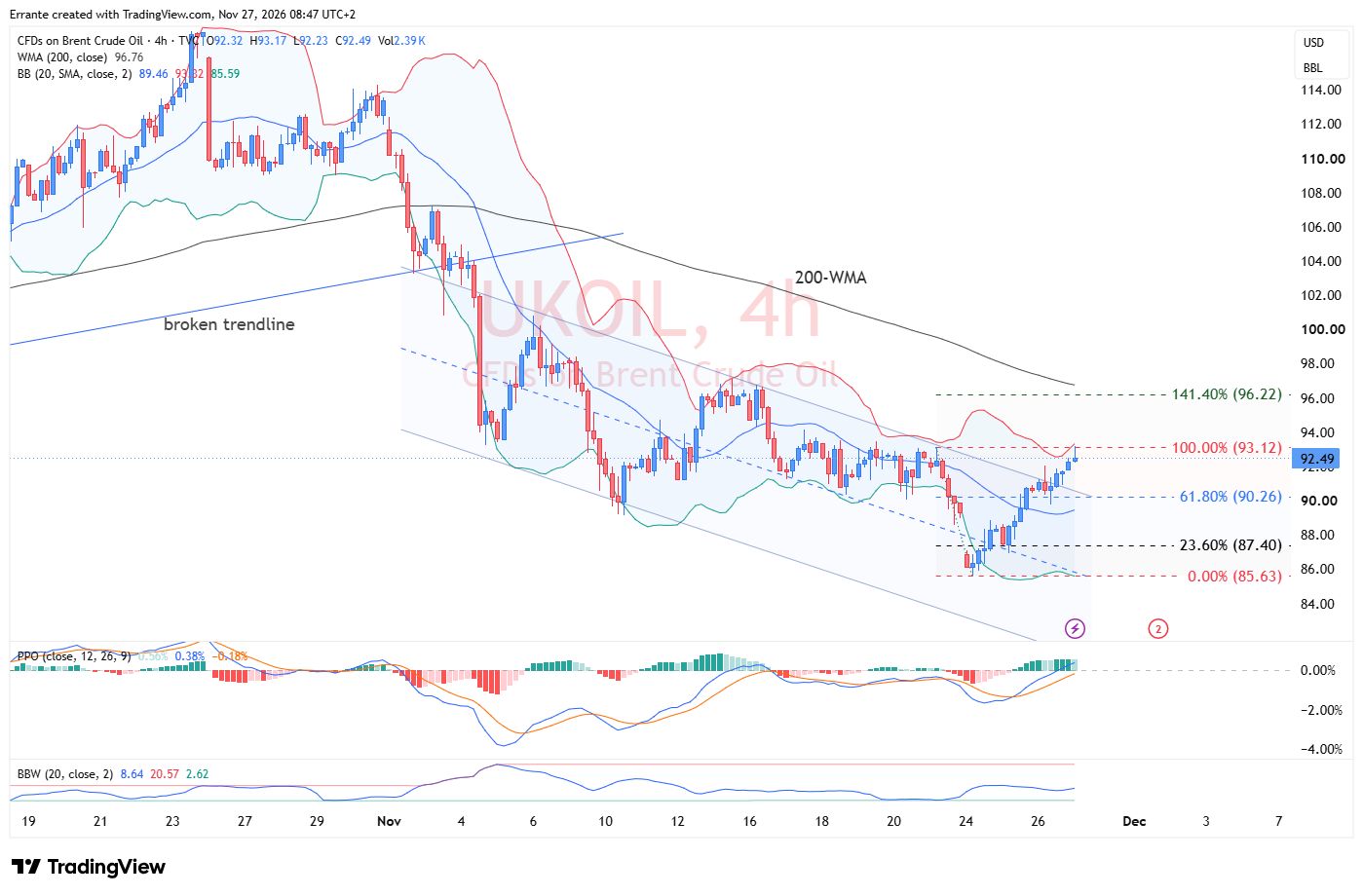
Unlike the equity recovery, oil’s rebound is primarily driven by supply concerns rather than improving growth expectations. Disruptions to energy infrastructure and shipping around the Middle East are restoring crude’s geopolitical risk premium, while steep backwardation in Brent futures reflects greater concern about immediate deliveries than longer-term scarcity.
A sustained break above $93.12 on the Brent CFD chart would expose $96.22–$96.76, potentially supporting oil-exporting currencies such as CAD and NOK. Conversely, a decline below $90.26 would undermine the recovery. With Sunday’s OPEC+ meeting approaching, traders must also account for weekend volatility and the possibility that sustained energy-price increases could complicate global disinflation.
Forward outlook: Watch Wall Street’s response
European inflation figures and German unemployment data will shape euro sentiment before Wall Street reopens at 16:30 EET. The prevailing improvement in risk appetite favours further recovery in equities and precious metals, accompanied by limited dollar weakness. However, accelerating Treasury yields, renewed AI credit stress or further energy-price increases could challenge this scenario by tightening financial conditions.
Market verdict: China has given investors a fresh reason to embrace risk, but the sustainability of the recovery will depend on whether improving equity sentiment can coexist with rising borrowing costs. With shortened US trading hours and thin holiday liquidity, confirmation through market breadth, credit spreads and sustained technical breakouts will be particularly important.