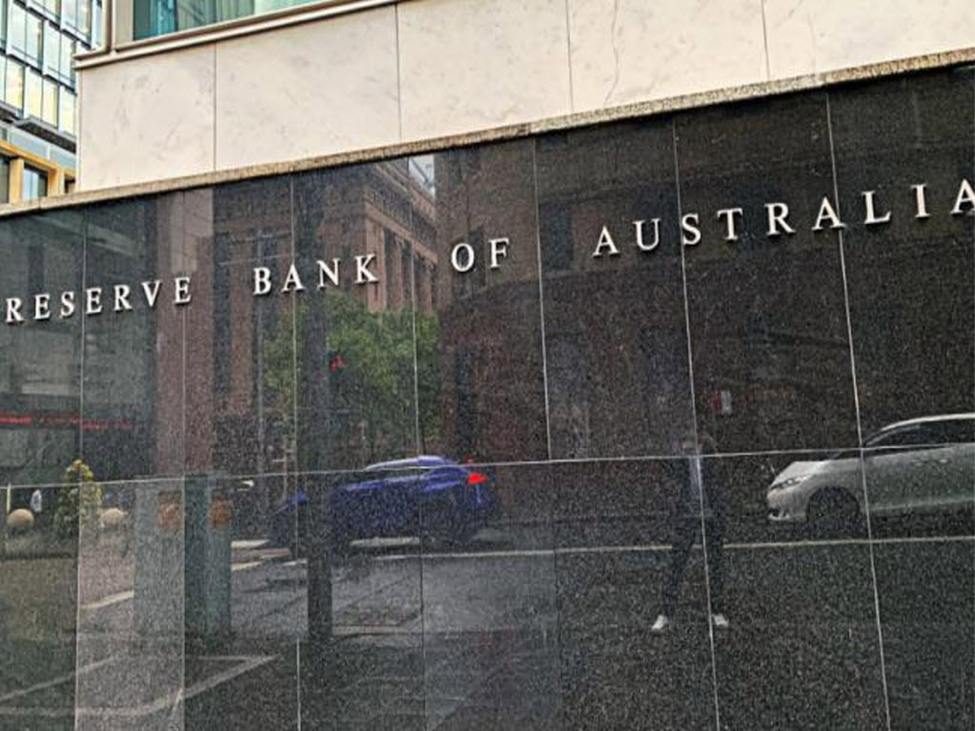
Citi has shifted to a notably more hawkish outlook on Australian monetary policy, now forecasting two 25 basis point rate increases in 2026, beginning as early as the Reserve Bank of Australia’s first policy meeting of the year on February 3, followed by a second hike in May.
Info via an Australian Financial Review report.
The call follows a sharp repricing in interest-rate markets over recent weeks, with investors rapidly swinging from expectations of policy easing to the prospect of tightening. Citi argues that the shift reflects growing evidence that monetary conditions are now too accommodative given domestic economic dynamics.
In a note to clients, the bank pointed to:
- a tight labour market,
- higher inflation forecasts,
- and unexpected strength in housing and household consumption as key drivers behind its revised view.
Citi warned that policymakers risk allowing inflation pressures to become entrenched if they fail to respond decisively.
If inflation runs outside the target band for an extended period without a policy response, it becomes embedded in behaviour and expectations, arguing that credibility risks rise the longer action is delayed.
Market pricing has adjusted rapidly. Traders are now assigning roughly a 23% probability of a rate hike in February, with a full 25bp increase priced by August, and a strong chance of an additional move thereafter. The volatility in expectations highlights how quickly sentiment has turned amid stronger-than-anticipated domestic data.
Citi also highlighted the housing market as a key source of upside inflation risk. A faster-than-expected rebound in housing activity has driven higher construction costs and rents, adding to broader price pressures. The bank noted that the acceleration in housing-related inflation has been partly fuelled by government policy settings.
While Citi acknowledged that the housing surge was not directly caused by the RBA, it said policymakers appear to have been caught off guard by the speed of the recovery. In its view, the evolving inflation backdrop now warrants a shift toward tighter policy sooner rather than later.
—
The shift reinforces a hawkish turn in Australian rates pricing, supporting higher front-end yields and increasing sensitivity in AUD to incoming inflation and labour-market data.